Many people notice bleeding gums, loose teeth, or pain and worry what it means. They want to know if the problem is serious and who can help. Periodontists treat gum disease and other issues with the gums and bone around teeth.
A Periodontist is a dental specialist who focuses on the periodontium, the gums and soft tissues around teeth. They get three more years of training after dental school. They do deep cleaning, scaling and root planing, gum surgery, and place dental implants.
Periodontists play essential roles in maintaining oral health. They specialize in preventing, diagnosing, and treating gum disease and other issues that affect soft tissues and bone structures in the mouth. This dental specialist has extensive training beyond general dentistry, completing three additional years of specialized education.
Patients often visit periodontists for treatments like scaling and root planing to remove plaque buildup. They perform deep cleaning procedures that go far beyond standard care from general dentists. Many also provide laser treatment as an advanced option for managing periodontal disease. These experts are trained to place dental implants, offering solutions for tooth loss while ensuring healthy gums remain intact.
After discussing the key roles and treatments performed by periodontists, it is important to identify signs that indicate a need for their expertise. Symptoms of periodontal disease include visible changes in gums, like swelling or redness; these are warning signals. Bleeding gums during brushing or flossing often suggest gum issues requiring attention from a dental specialist.
Tooth loss can occur if periodontal disease progresses without treatment. Bad breath and persistent plaque buildup also highlight gum troubles needing intervention. Experiencing recession of the gums can expose tooth roots and increase sensitivity, making professional help essential. Those who value their oral health should see a periodontist as soon as they notice any of these symptoms related to gum disease or soft tissue problems.
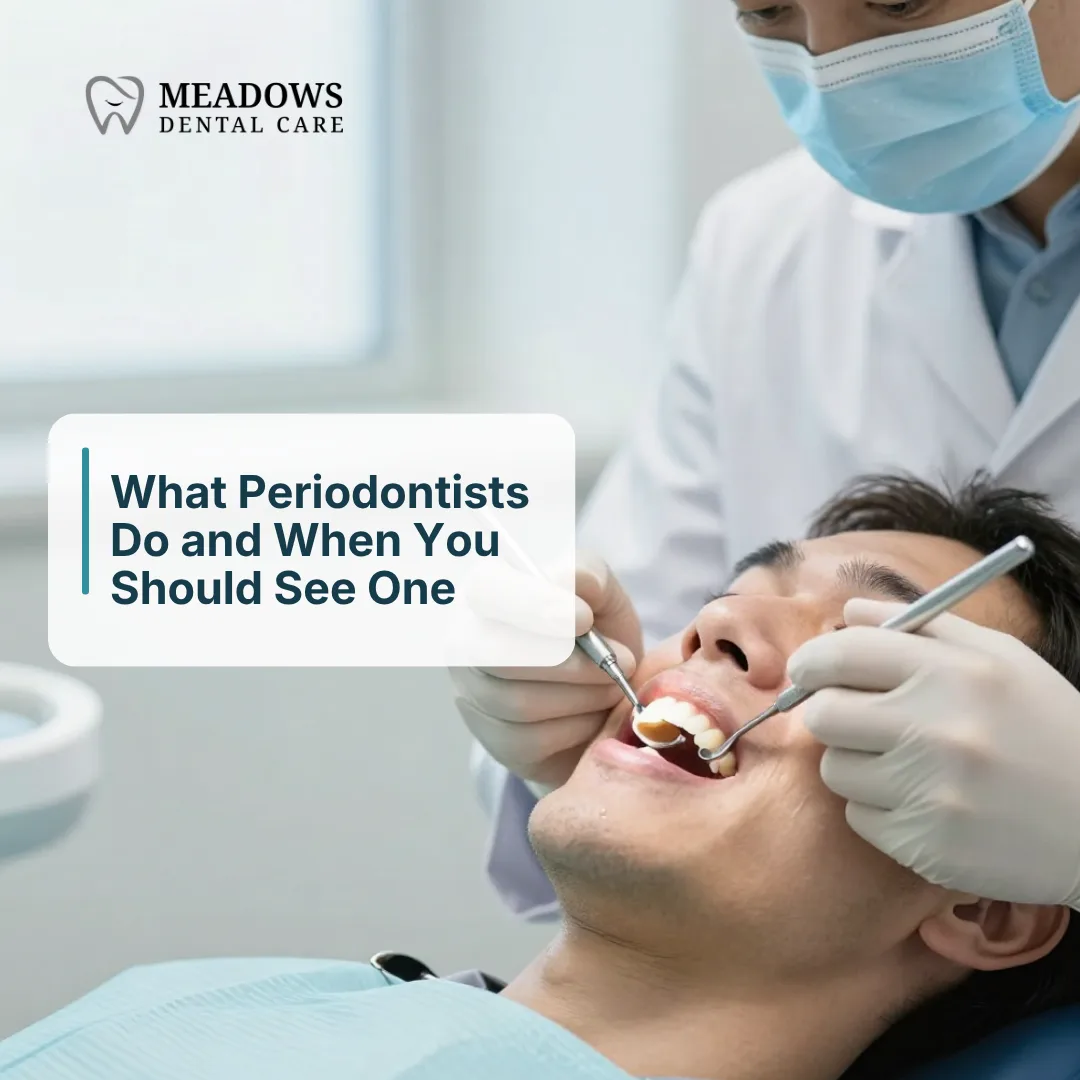
During the first visit to a periodontist, patients can expect a thorough examination. The specialist will assess oral health and check for signs of gum disease. This includes looking for bleeding gums or other symptoms that signal periodontal issues. Periodontists focus on conditions affecting soft tissues and bone structures around teeth.
They may also discuss treatment options if periodontal disease is present. Patients might have deep cleaning procedures like scaling and root planing performed, which go beyond standard dental cleanings. An extensive evaluation could lead to recommendations for further treatments, such as laser therapy or dental implants.
Periodontists, or gum specialists, are dental specialists who treat gum disease and periodontal disease. They care for soft tissue and bone around teeth. They do plaque removal, scaling and root planing, and tooth extraction when needed. They work to prevent tooth loss and protect oral health.
See a gum specialist if you have bleeding gums, loose teeth, or other symptoms of periodontal disease. See one if routine dental care does not stop the problem. Early care helps preserve oral health.
You may see bleeding gums, bad breath, swollen soft tissues, and receding gums. Teeth can feel loose or painful. These signs point to periodontal disease and need a dental specialist review.
They use scaling and root planing, deep cleaning, and plaque removal to fight infection. They may give medicines or do surgery on soft tissues and bone. If a tooth is beyond help, they may do tooth removal, also called tooth extraction.
Sometimes they must do tooth extraction. They try treatment first to save the tooth. If the tooth threatens oral health, they remove it and plan for a replacement.
Keep good mouth hygiene every day. Brush, floss, and get regular plaque removal and dental care. See a dental specialist for checkups to protect oral health and avoid tooth loss.
Tell us a little about what you need — we'll be in touch shortly.
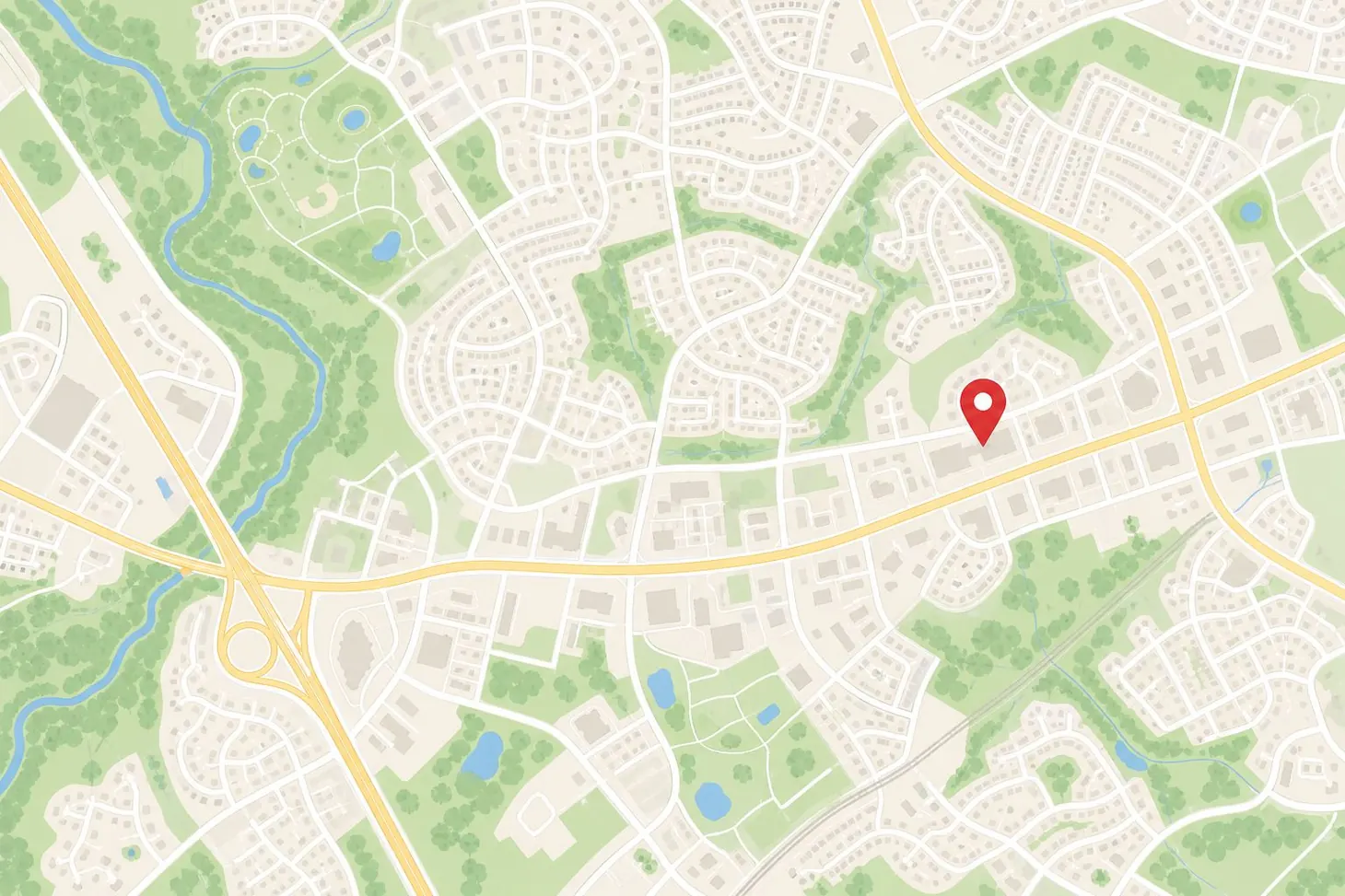
9600 S I-35 Frontage Rd Bldg S #275, Austin, TX 78748, United States

Hi! I'm Tooth fairy! Your AI Assistant Ask me anything